


The Highlights
- Definition and Scope of Commercial Cleaning: Commercial cleaning involves specialized services tailored to maintain commercial spaces such as offices, schools, and hospitals. This includes deep cleaning floors, sanitizing bathrooms, and ensuring communal areas are allergen-free. The service is crucial for reflecting a positive business image and ensuring a healthy environment.
- Signs of Substandard Cleaning Services: Indicators of a commercial cleaner cutting corners include inconsistent cleaning standards, use of low-quality cleaning supplies, and ignoring hard-to-reach areas. Additional signs are a noticeable reduction in the time spent on premises, overuse of fragrances to mask odors, and failure to restock consumables like soaps and paper towels.
- Impact and Importance of Thorough Commercial Cleaning: Effective commercial cleaning contributes significantly to the well-being and productivity of everyone using the business premises. Recognizing and addressing any signs of inadequate service ensures that the cleaning meets expectations, aligning with health standards and enhancing overall business operations.
What Is Commercial Cleaning and How to Know If Your Commercial Cleaner Is Cutting Corners
When it comes to maintaining a professional and healthy environment in business premises, few services are as crucial as commercial cleaning. Understanding exactly what commercial cleaning involves and ensuring you're receiving quality service are essential to managing a successful operation. Here, we will cover the details of commercial cleaning and provide key indicators that might suggest your commercial cleaner is cutting corners.
What Is Commercial Cleaning?
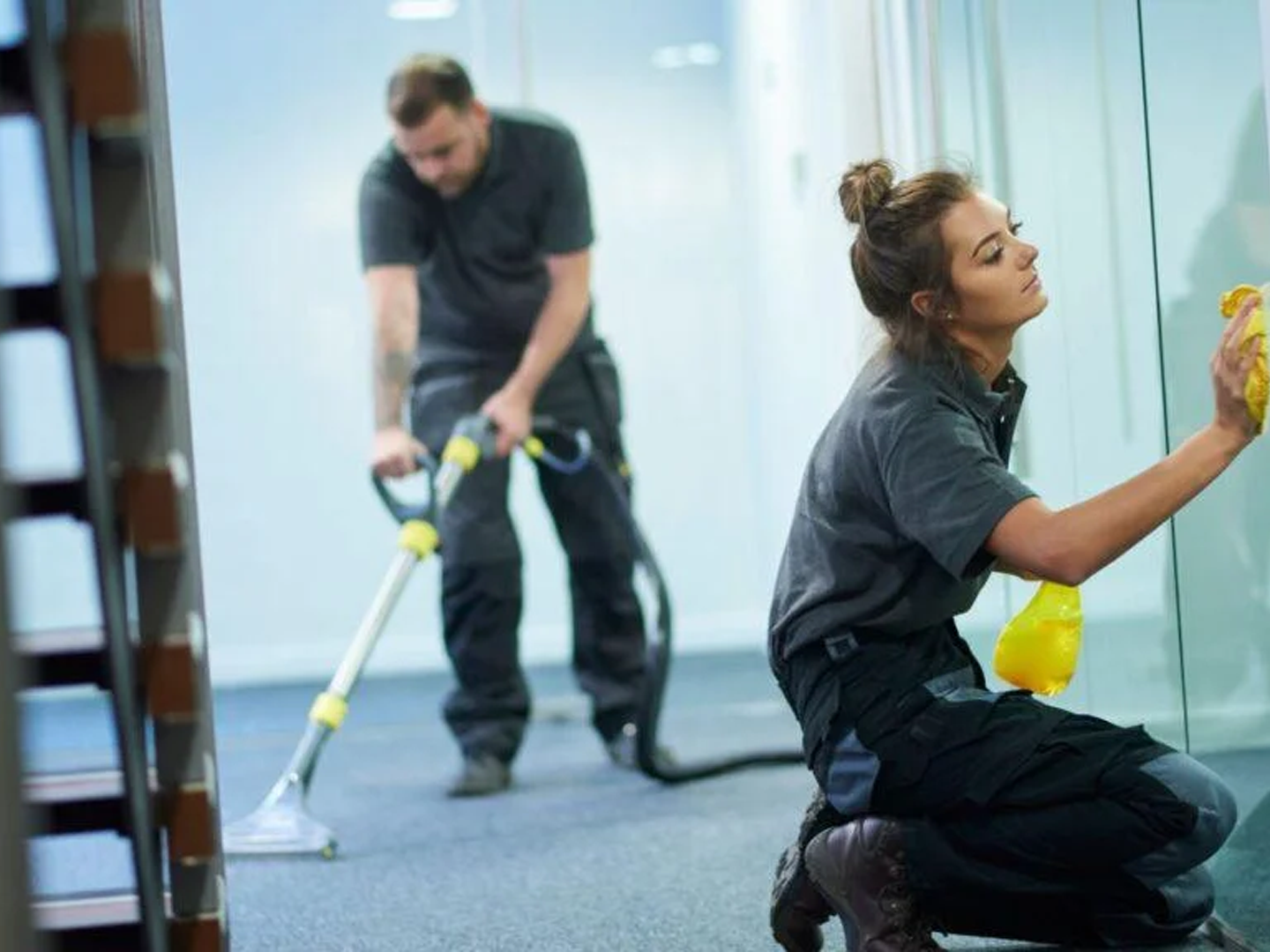
Commercial cleaning refers to the specialized services provided to clean commercial spaces such as offices, schools, hospitals, retail stores, and other business facilities. Unlike residential cleaning, which covers day-to-day household tasks, commercial cleaning involves larger-scale, more complex tasks tailored to the needs of a business environment. This can include deep cleaning floors, sanitizing bathrooms, washing windows, and ensuring communal areas are free of allergens and pollutants. The goal is to maintain cleanliness and enhance the environment's health and safety, reflecting a positive image of the business.
The commercial cleaning industry is experiencing significant growth, with revenue projected to surpass $468 billion by 2027, a massive increase from its value in 2020 that reflects the expanding demand and opportunities within the sector. Several key factors drive this growth. Heightened awareness of hygiene after COVID-19, the adoption of advanced technologies like AI and robotics for efficient cleaning, and an increased focus on green cleaning practices are significant contributors. These elements improve service efficiency and effectiveness and cater to the growing consumer demand for environmentally friendly cleaning solutions.
Core Services Typically Included in Commercial Cleaning:
- Floor Care: This includes the cleaning, waxing, and buffing of commercial flooring
- Dusting and Disinfecting: Surfaces, particularly in high-touch areas, need regular disinfection, especially in the post-COVID era
- Restroom Cleaning: Ensuring restrooms are hygienic and well-stocked
- Window Washing: Both interior and exterior window cleaning, which contributes to both aesthetic appeal and internal light quality
- Waste Removal: Efficient trash collection and disposal
Now that you understand what commercial cleaners do and the typical services they provide, let's explore how to ensure you are receiving the quality of work your cleaner is contracted to do.
How to Determine If Your Commercial Cleaner Is Cutting Corners
To make sure your commercial cleaning service meets your standards, it's crucial to recognize these signs that may indicate your cleaner is cutting corners.
Inconsistent Cleaning Standards:
A telltale sign of corner-cutting is inconsistency in cleaning standards. For example, if the cleanliness of the facilities varies from day to day or week to week, it may indicate insufficient attention to detail or rushed work.
Use of Lower Quality Cleaning Supplies:
To save on costs, some cleaners might use cheaper, less effective cleaning products. These can result in subpar cleanliness and may even cause damage to surfaces over time.
Lack of Professionalism in Staff:
A reputable commercial cleaning service invests in its staff with proper training and attire. Untrained staff or those not in uniform could suggest the company does not adhere to professional standards.
Ignoring Hard-to-Reach Areas:
If you start noticing dust in corners, on high surfaces, or under furniture, it's likely that the cleaning team is skipping areas that are less visible but equally important.
Time on Premises:
If the cleaning crew seems to be spending less time than what was agreed upon, they may be hurrying through their tasks, which often leads to substandard cleaning.
Overuse of Fragrance:
Sometimes, excessive use of air fresheners or scented cleaning products can be used to mask odors instead of properly cleaning areas that might be sources of smells, such as restrooms or trash disposal areas.
Skipped Restocking of Consumables:
If restocking tasks such as replacing hand soaps, paper towels, and toilet paper are frequently overlooked, it might indicate rushed work or neglect.
Feedback from Employees and Clients:
Regular feedback from employees and clients about the cleanliness of the environment can reveal missed areas or inconsistent cleaning. Complaints about unclean restrooms, smudgy glass surfaces, or dusty desks are often signs that the cleaning staff may be skipping necessary tasks.
Lack of Customization in Services:
If a cleaning service does not adjust its methods or products to the specific needs of your space (e.g., using the right products for specialty flooring), it may indicate a one-size-fits-all approach that doesn’t adequately address specific cleaning needs.
Commercial cleaning plays a vital role in the upkeep of any business environment. It goes beyond mere aesthetics, contributing significantly to the health and well-being of everyone who enters your premises. Recognizing the signs of a commercial cleaner cutting corners can help you take swift action to rectify issues, ensuring that the cleaning services you pay for meet your expectations and needs.
ACMS Facilities Management does not cut corners. We pride ourselves on maintaining the highest professional standards in every job we do. If you want the best commercial cleaning service provider available, contact us today.
There has been much debate over the effectiveness of hot water extraction carpet cleaning (aka carpet steam cleaning) versus highly misleading, advertised carpet dry cleaning methods by some carpet cleaning companies. It’s not a surprise if you have not heard of the hot water extraction procedure of carpet cleaning. Companies such as Stanley Steamer have used the more popular term of “steam cleaning” to describe this procedure. Whether it is called carpet steam cleaning or hot /cold water extraction carpet cleaning, what you need to know is that hot water extraction is still the best and most effective carpet cleaning method on the market.
The fact most leading carpet manufacturers across the world would highly recommend you use a professional carpet steam cleaning or hot/cold water extraction carpet cleaning company for cleaning your carpets. If carpet dry cleaning was truly a better method, those manufacturers would say so.
With more than 10 years of experience on the market, ACMS, a carpet cleaning company, maintain that carpet cleaning is best achieved using hot water extraction, otherwise known as carpet steam cleaning. Your carpet will be wet afterwards because it just received a deep, intensive, thorough carpet cleaning – which is different from what you would have received from a carpet cleaning company that practices carpet dry cleaning.
It’s scary. A neglected carpet can contain as much as four times it’s own weight in dirt. Before fitted carpets were introduced, carpets would have been taken outside at least once a year and beaten thoroughly. People would have been surprised at the dust clouds that emerged. Now with fitted carpets you can’t do that. Most houses are centrally heated so that dust mites can flourish. How many people do you know that suffer from dust mite allergies?
You’re wrong If you think that vacuuming alone can get all the dust out of the carpet. Leading test laboratory Cleaning Research International have carried out independent research studies and proved that hot water extraction carpet cleaning, carpet steam cleaning, carpet shampooing or carpet washing produces significantly superior results than vacuuming alone. Vacuuming only removes the uppermost layer of dirt. The lower layer of dirt is still stuck and as the grease and dirt get trodden deeper, it cuts the pile. The carpet is dull and the fibres are loosened.
It is an urban legend that carpet washing is bad. This is not true. Regular carpet shampooing brightens colors, remove germs and odors and extend the life of your carpet. When you use our Deep Water Extraction Carpet Cleaning System to clean your carpet, the carpet fibres are washed without wetting the backing. There is no chance of shrinking and the carpet will be dry enough to walk on in a short period of time. Carpet Steam Cleaning (aka Hot/Cold Water Extraction Carpet Cleaning) is still the best method used by professional carpet cleaning companies like us.
Disinfection and sterilization are processes that eliminate or reduce harmful microorganisms from surfaces or objects. Disinfection refers to reducing the number of pathogens to a safe level, while sterilization is the complete elimination of all microorganisms.
Cleaning removes dirt, dust, and organic matter from surfaces. Disinfecting reduces the number of harmful microorganisms on a surface, while sterilizing destroys all microorganisms, including bacteria, viruses, and spores.